7 Common UAE Interior Design Pitfalls—and Sustainable Ways to Avoid Them
Many UAE interiors start with great ideas but falter when faced with the region’s unique challenges—heat gain, humidity, sand infiltration, and tricky MEP clashes. These common pitfalls can drain budgets and shorten a space’s lifespan if not tackled thoughtfully. In this post, you’ll find practical, sustainable strategies tailored for UAE interior design that protect your investment and elevate your space’s performance. Ready to future-proof your space? Book a 24/7 consultation, request a Sustainable Materials Audit, or ask for a complimentary 3D concept board tailored to your brief. For further insights, visit this article.
Avoiding Heat Gain in Interiors
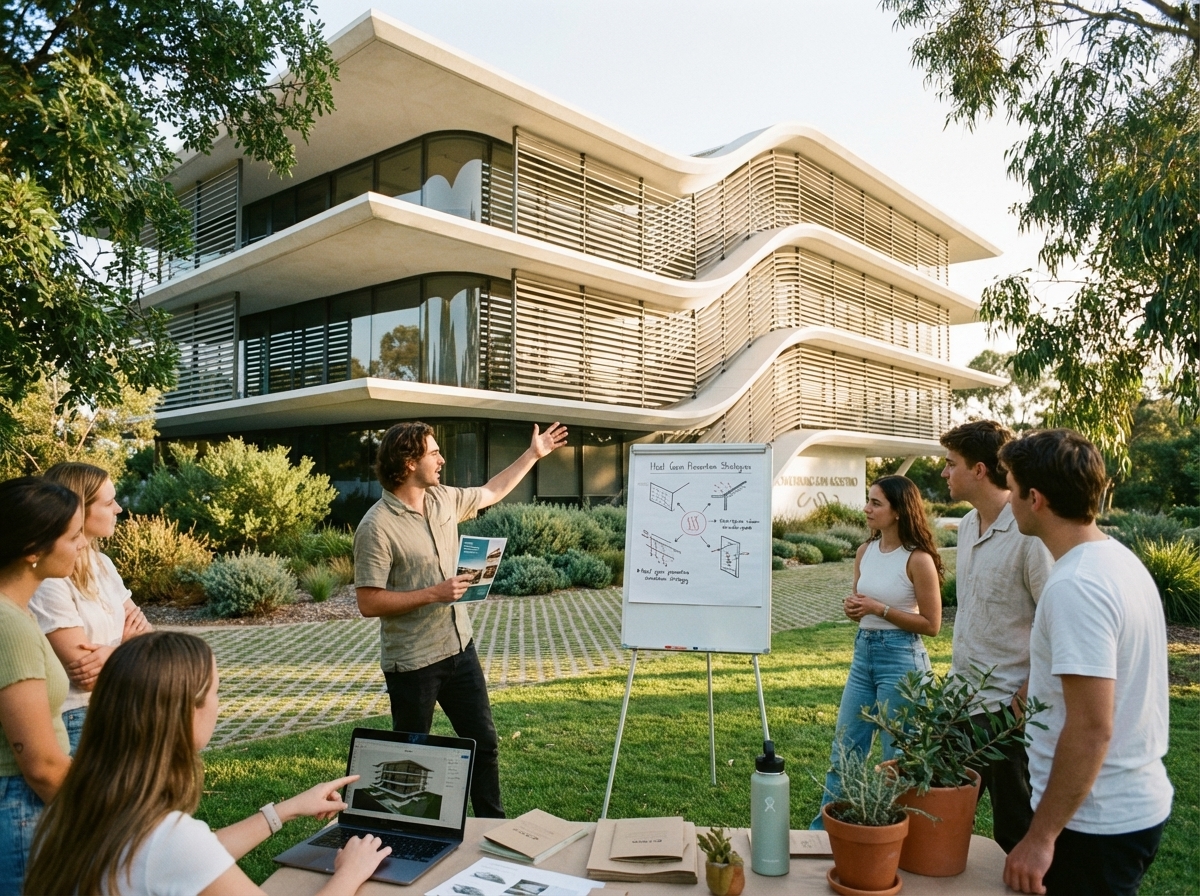
In the hot UAE climate, controlling heat gain is crucial for maintaining comfort and reducing energy bills. Let’s explore how you can select the right materials and glazing to keep your interiors cool.
Climate-Appropriate Material Choices
When designing interiors, material selection is fundamental. Opting for materials that reflect heat rather than absorbing it can make a big difference. Consider cool roofing materials, which can lower roof temperatures by up to 50°F, reducing indoor temperatures significantly. Light-colored paints and tiles also help reflect the sun’s rays. In contrast, darker shades absorb heat, making spaces warmer.
Ceramic and porcelain tiles are excellent choices for flooring. These materials not only look elegant but also stay cool underfoot, even during the hottest months. For a modern touch, polished concrete floors are both stylish and effective at minimizing heat retention. Here’s the key insight: by choosing materials designed for hot climates, you enhance comfort while saving on cooling costs.
Thermal Performance Glazing UAE
Windows are another critical area to address. High-performance glazing can drastically reduce heat entry while maintaining natural light. Double-glazed windows are a popular choice as they provide a barrier that limits heat transfer. Studies show that such windows can reduce heat gain by up to 77% compared to single glazing.
For those who want to go a step further, consider low-emissivity (Low-E) coatings. These coatings reflect heat while allowing light to pass through. They maintain a bright interior without the heat, allowing you to enjoy views without compromising on comfort. Most people think regular glass is enough, but investing in advanced glazing pays off in reduced cooling costs and increased comfort.
Tackling Humidity and Sand Challenges
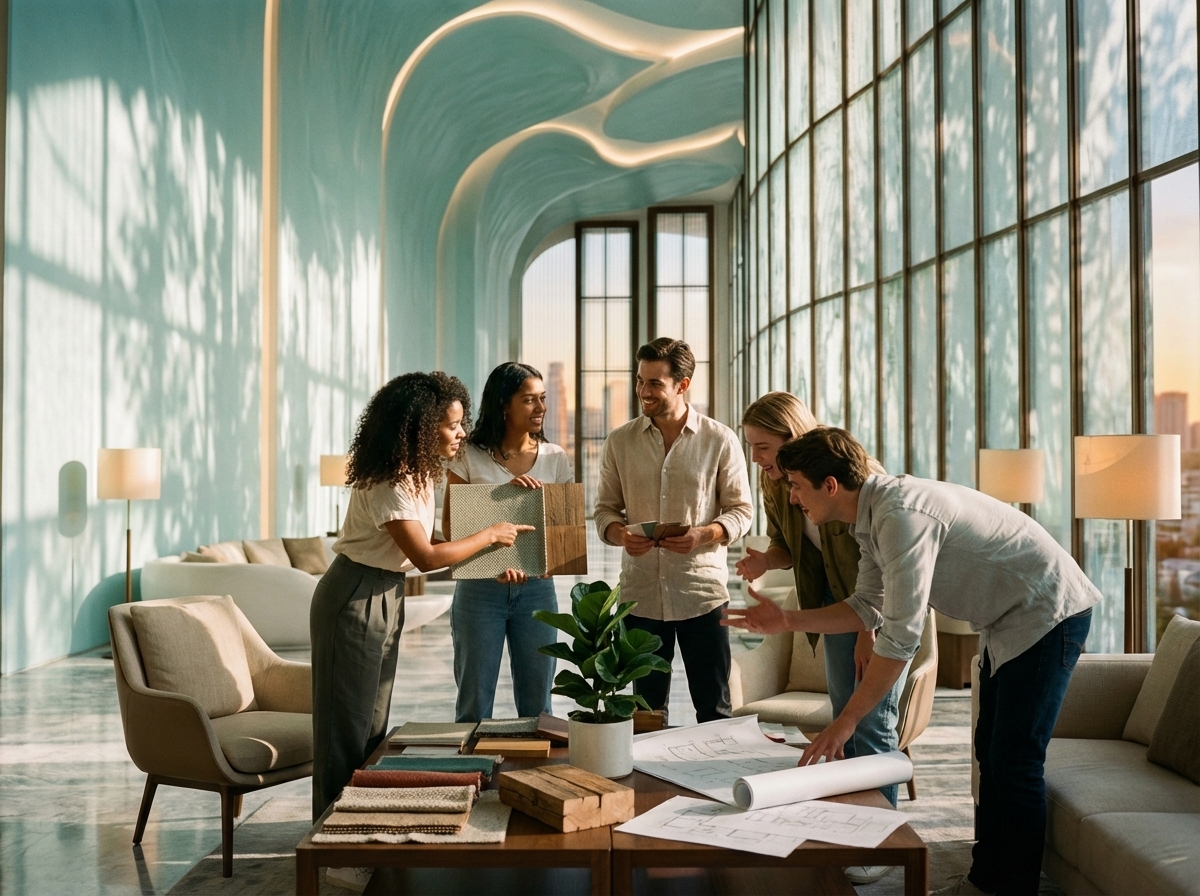
Humidity and sand infiltration can wreak havoc on interiors, leading to premature wear and tear. Let’s look at finishes and designs that stand up to these challenges.
Humidity-Resistant Finishes
Humidity is a persistent problem in the UAE, causing peeling paint and warped floors. To combat this, choose finishes specifically designed to resist moisture. Low-VOC paints not only improve indoor air quality but also offer excellent moisture resistance. Look for paints with mildewcide additives, which prevent mold growth, a common issue in high-humidity areas.
For flooring, consider moisture-resistant options like vinyl or engineered hardwood. These materials are designed to withstand humidity without compromising on style. Remember, the longer you wait to address humidity, the more damage can occur, leading to costly repairs. By investing in the right finishes, you protect your investment and maintain a fresh, clean look.
Sand and Dust Mitigation Design
Sand and dust are inescapable in the UAE, but smart design can mitigate their impact. Incorporate entryway solutions like shoe racks and mudrooms to minimize sand entering your living spaces. Use door sweeps and weather stripping to seal gaps where sand might infiltrate.
Furniture and upholstery choices can also influence how sand affects your space. Opt for tight-weave fabrics that don’t trap dust easily. Regular maintenance, like vacuuming and using air purifiers, helps keep interiors dust-free. The takeaway is clear: proactive design and maintenance significantly reduce sand-related wear and tear, preserving your interiors longer. To dive deeper into these strategies, check out this expert guide.
Sustainable Solutions for Acoustic Design
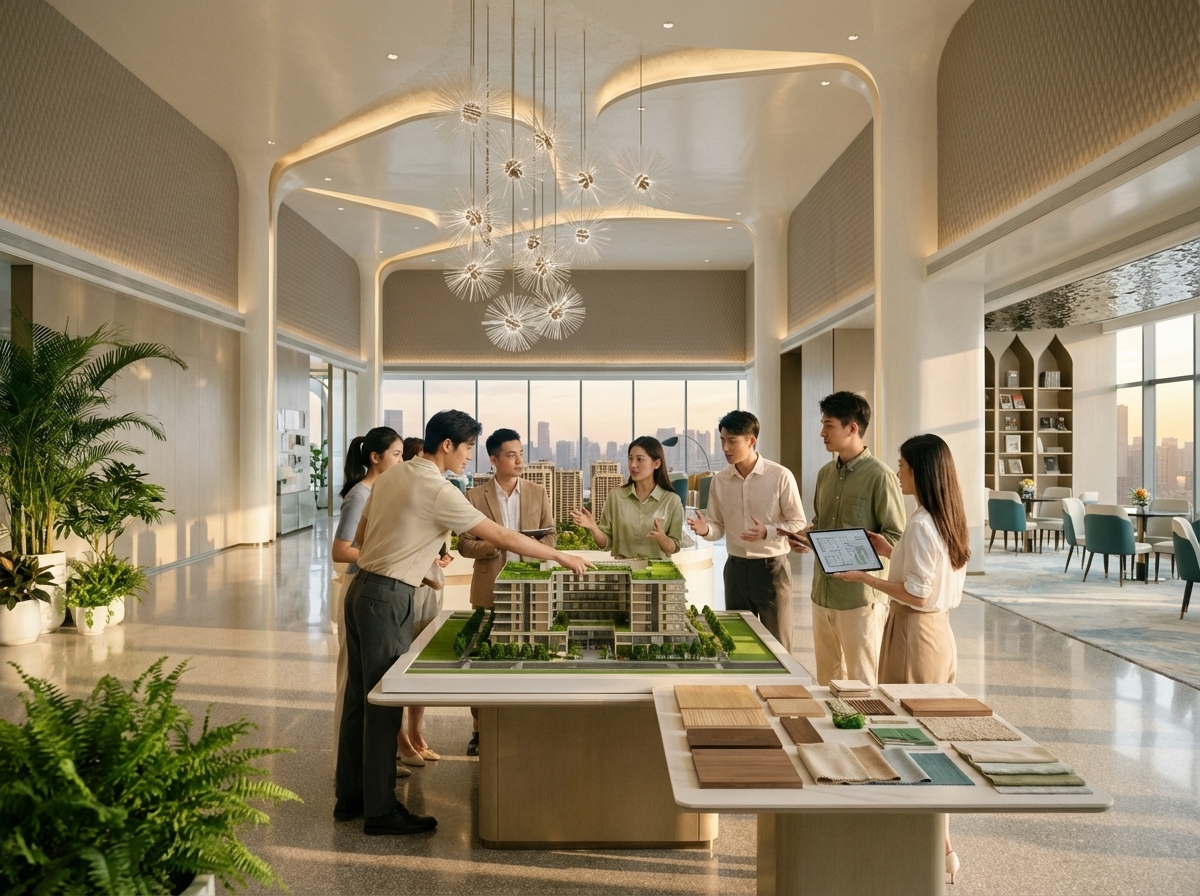
Creating a peaceful environment in bustling cities involves thoughtful acoustic design. Here’s how you can manage noise while maintaining aesthetics.
Acoustic Design UAE
Sound management is essential in creating calm spaces. Acoustic panels, which absorb sound, can reduce noise levels effectively. These panels come in various styles and can be customized to blend seamlessly with your decor.
For open-plan spaces, consider acoustic ceiling tiles. They not only improve sound quality but also add a unique design element. Carpets and rugs also play a role in absorbing sound, making them a stylish and functional choice. Most people overlook acoustics, but addressing it enhances comfort and privacy in your space.
MEP Coordination in Interiors
MEP (Mechanical, Electrical, and Plumbing) coordination is often an afterthought, yet it’s critical for functional interiors. Misaligned systems can lead to noise issues and inefficiencies. Engage experienced professionals to ensure seamless integration of these systems. Proper MEP planning prevents costly fixes and ensures all elements work in harmony.
Consider using insulated ductwork to reduce noise from HVAC systems. Thoughtful placement of equipment, away from living areas, minimizes disturbances. Effective MEP coordination not only enhances the functionality of your interiors but also contributes to a tranquil atmosphere.
By addressing these common design pitfalls and implementing sustainable solutions, you create spaces that are not only beautiful but also durable and efficient. Ready to transform your space into a serene oasis? Visit this resource for more insights.
Explore how tailored sustainable interiors can solve your unique space challenges.