Eco-Renovation Done Right: 10 Common Pitfalls—and How to Avoid Them in the UAE
Most eco-friendly interior renovation projects in the UAE stumble over the same avoidable mistakes—wasting time, budget, and design potential. If you want your sustainable interior design Dubai project to truly shine, knowing these pitfalls is crucial. We’ll guide you through ten common green renovation pitfalls and how to steer clear, so your vision unfolds with certified materials, smart planning, and lasting style. Ready to see how Gravityfz makes eco-renovation simple and stunning? Learn more about common mistakes to avoid here.
Navigating Eco-Friendly Renovations
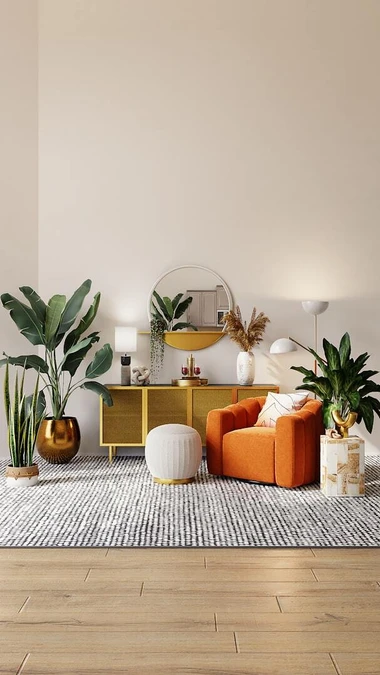
Embarking on an eco-friendly renovation in the UAE requires careful planning. The choices you make at the start will shape the success of your project.
Understanding Material Choices
When it comes to sustainable design, material selection is paramount. Opt for options that offer both beauty and a lesser environmental impact. For instance, recycled materials furniture in Dubai can add unique character to your space while being gentle on the earth. Look for low-VOC paints and adhesives to maintain your indoor air quality. Making informed choices about materials not only boosts your project’s green credentials but also ensures a healthier environment for those who inhabit these spaces.
Imagine a living room furnished with reclaimed wood—its story etched in every grain. Or picture a workspace illuminated by energy-efficient lighting solutions that cut down on bills while providing a warm, inviting glow. Each choice you make can transform your space into a beacon of sustainability and style.
Importance of Certified Products
Choosing certified products is akin to investing in a promise. Using FSC-certified wood in the UAE guarantees the wood comes from responsibly managed forests. This not only supports global forestry sustainability but also enhances the value of your project. Similarly, Cradle to Cradle certified products ensure that materials are safe for humans and the environment throughout their lifecycle.
Certified materials are more than just a label—they represent trust and quality. They assure you that the products meet rigorous environmental and health standards. The next time you’re browsing for renovation supplies, remember that these certifications are your assurance of a sustainable choice.
Common Pitfalls to Avoid
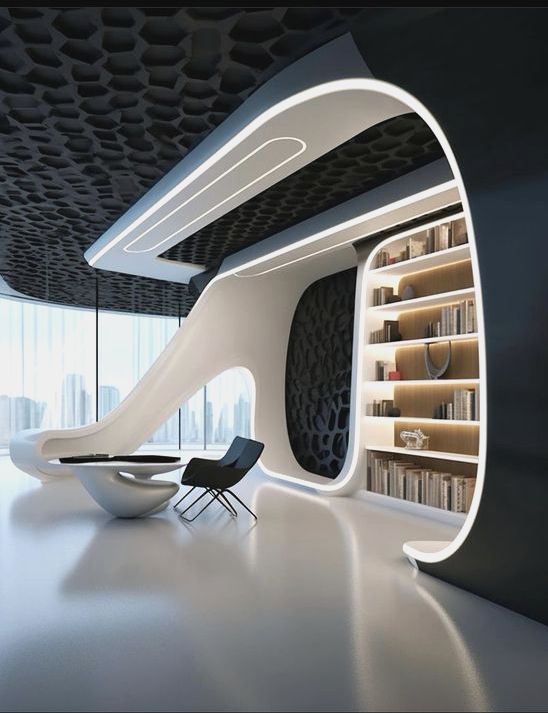
Even the best-laid plans can go awry without attention to detail. Let’s uncover some common errors in eco-renovations to keep your project on track.
Overlooking Lifecycle Assessment
A lifecycle assessment considers a product’s environmental impact from production to disposal. Many overlook this critical step, leading to choices that might initially seem green but aren’t sustainable in the long run. For example, some materials may have a low upfront cost but could lead to higher environmental costs later.
Conducting a thorough lifecycle assessment ensures you understand the true impact of your materials. Opt for EPD verified materials to guarantee transparency in a product’s environmental performance. By doing so, you ensure a project that remains sustainable and cost-effective over time. Make sure to avoid these pitfalls by getting more insights here.
Ignoring Energy Efficiency
Energy efficiency is often a forgotten aspect in eco-renovations. Yet, incorporating energy-efficient lighting solutions and appliances can significantly reduce your carbon footprint. Missing out on these improvements can lead to higher energy bills and a less sustainable space.
Consider installing water-saving fixtures in the UAE. They not only help conserve water—a precious resource in the region—but also lower your utility expenses. Embracing energy efficiency isn’t just about saving money; it’s about creating a more sustainable future for all.
Crafting Your Sustainable Vision
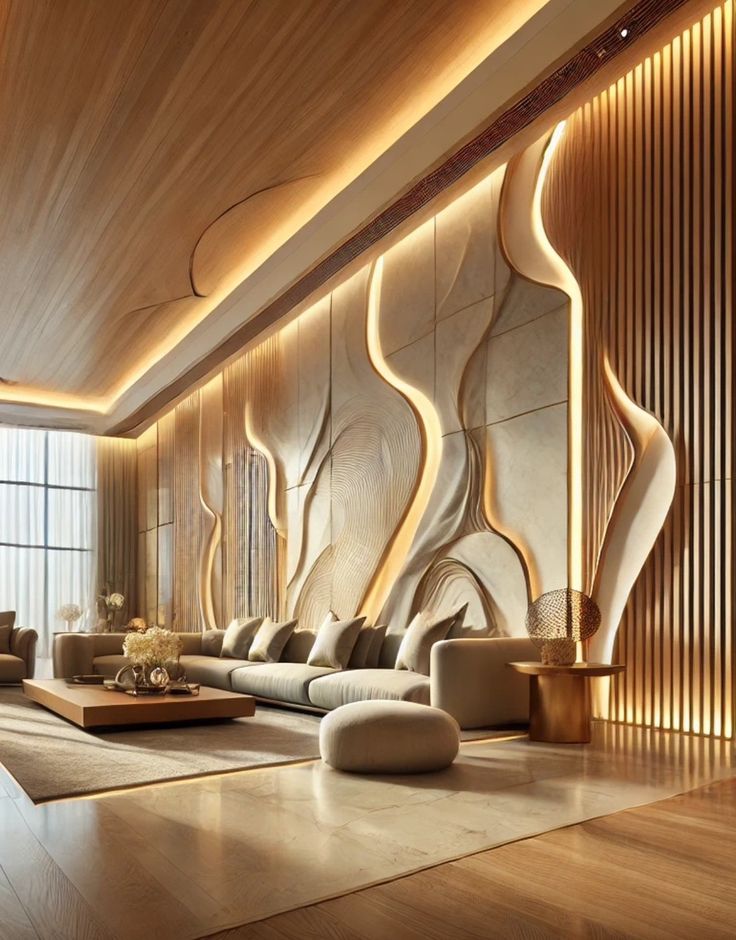
With the pitfalls identified, it’s time to focus on creating a vision that aligns with your sustainable goals.
Integrating Biophilic Design
Biophilic design emphasizes the connection between nature and interiors. Incorporating natural elements can enhance well-being and productivity. Imagine a workspace with a living wall or a home adorned with natural textures—these elements bring tranquility and rejuvenation.
Biophilic design isn’t just about aesthetics. It involves strategic placement of plants, natural light, and organic materials to create a harmonious environment. In Dubai, where urban life can often feel hectic, integrating these elements can transform your space into a serene oasis.
Planning with 3D Visualization
Visualizing your project is crucial to understand how all elements come together. Using 3D visualization interior planning allows you to see potential issues and adjust plans before physical work begins. This approach minimizes costly changes and ensures the design aligns with your vision.
A well-crafted 3D model provides a tangible preview of your completed project. It helps identify the best placement for sustainable furniture, lighting, and decor. This strategic planning ensures your project not only meets but exceeds your expectations.
As you embark on your eco-friendly renovation journey, keep these insights in mind. They will guide you toward a successful transformation that’s both stunning and sustainable. Let Gravityfz be your partner in crafting spaces that reflect both style and sustainability.