Light, Balanced: Blending Natural Daylight and Artificial Lighting the Right Way
Natural daylight alone rarely meets all your lighting needs. Balancing it with artificial light isn’t just about brightness—it shapes comfort, mood, and productivity in your space. Mastering how to blend natural and artificial light unlocks the secret to interiors that feel alive and inviting. Let’s explore practical daylighting strategies that deliver style, sustainability, and wellbeing—starting with expert insights from Gravityfz, your 24/7 lighting design Dubai partner. For further insights, check out this guidebook on blending lighting.
Harmonizing Light Sources
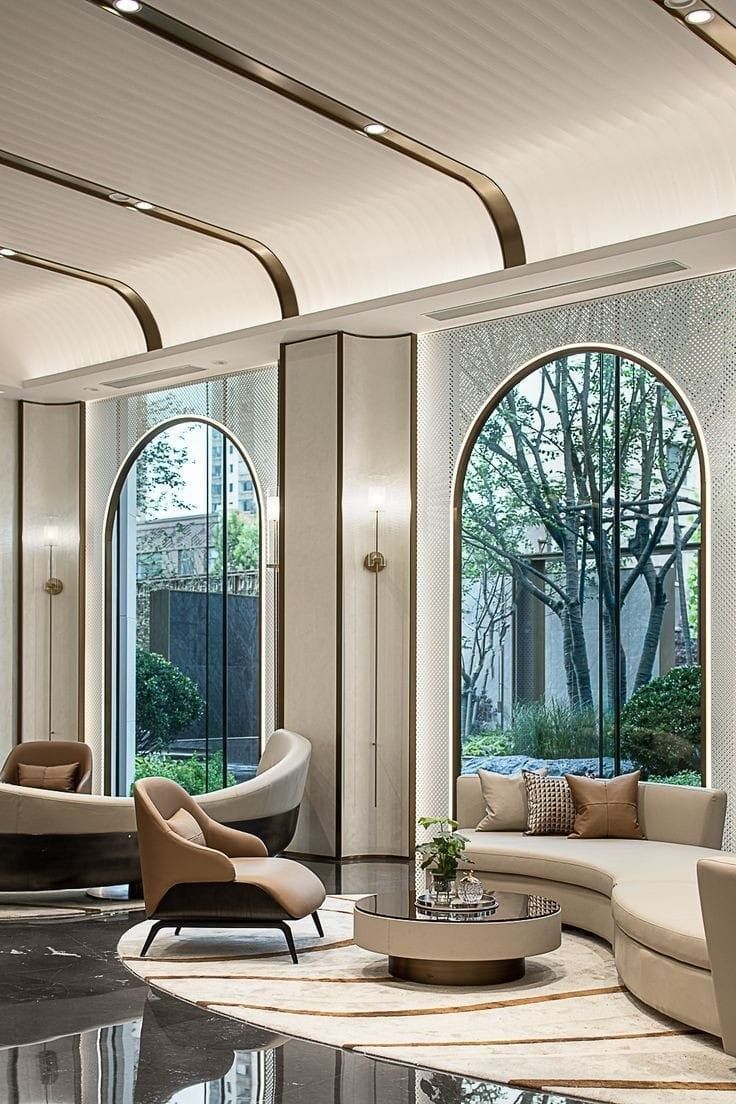
Finding the perfect blend of natural and artificial light can transform any space into a haven of comfort and style. Let’s dive into how these two elements play together to enhance your environment.
The Power of Natural Daylight
Imagine waking up to a room filled with soft, natural light. It sets the stage for a productive day. Natural daylight is more than just illumination; it’s a vital part of our well-being. Exposure to natural light helps regulate your sleep cycle and boosts your mood. Plus, it can reduce your reliance on artificial lighting, saving energy. Studies show that natural light can improve workplace productivity by up to 15%. It’s no wonder that more people are designing spaces with large windows and open layouts to let the light in. But sometimes, natural light alone isn’t enough. You need to consider how to supplement it to keep your space functional.
The Role of Artificial Lighting
Artificial lighting steps in where daylight leaves off. It’s your tool for creating atmosphere and highlighting design features. Think of it as the storyteller of your home. You can use it to spotlight artwork on your walls or set a cozy mood in your reading nook. Did you know that different bulbs can change the feel of a room? Cool white lights are great for kitchens and workspaces, while warm lights add comfort in living rooms. Selections like high CRI lighting ensure colors pop and spaces feel vibrant. But beware: not all artificial lights are created equal. It’s crucial to choose the right types to suit your needs, balancing functionality with aesthetics.
Balancing for Comfort and Mood
Combining natural and artificial light is an art. It’s about creating an environment where you feel at ease. Start by observing how light moves through your space throughout the day. Use this to guide your artificial lighting choices. For instance, if a room gets lots of morning sun, complement it with soft, warm lights for evenings. The magic happens when you achieve harmony—your home feels both lively and restful. Want to know more about balancing these light sources? Check out this article on mixing natural and artificial light.
Techniques for Effective Light Blending
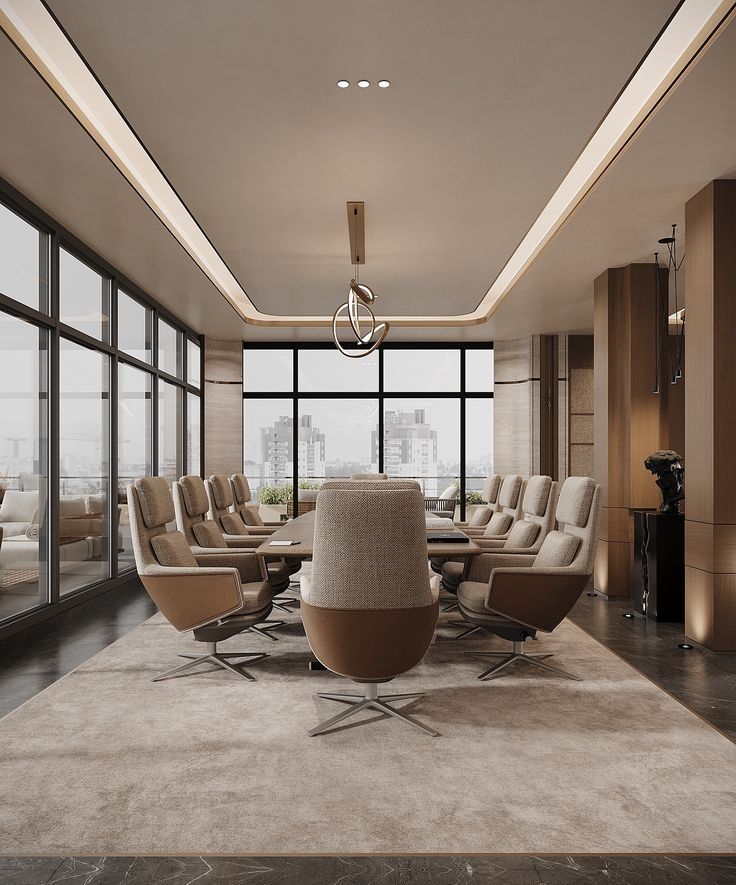
To make the most of your lighting, you need the right techniques. Let’s explore practical methods that ensure both style and function.
Layering Ambient, Task, and Accent Lighting
A well-lit room features layers of light that serve different purposes. Start with ambient lighting, the main source that fills the space. Next, add task lighting for specific activities like reading or cooking. Finally, use accent lighting to highlight artwork or architectural details. Each layer has its role, and together, they make your space more versatile. Consider using furniture-integrated lighting for a sleek look. It’s a trick interior designers use to provide light without clutter. The key is to think about how you use each room and light it accordingly.
Integrating Tunable White and Dim-to-Warm LEDs
Tunable white LEDs allow you to adjust the color temperature based on your mood or activity. Imagine a single bulb that can go from bright and energizing to soft and relaxing. Dim-to-warm LEDs mimic the dimming effect of traditional incandescent bulbs, perfect for cozy evenings. These options offer flexibility and control, making your space adaptable to different times and occasions. With the right setup, you can enjoy a dynamic environment catered to your needs. Learn more about integrating these technologies into your home.
Managing Glare and Circadian Lighting
Glare can ruin an otherwise perfect setup. It’s important to position lights where they won’t reflect off surfaces or directly into your eyes. On the other hand, circadian lighting adjusts throughout the day to align with your natural rhythms. This type of lighting keeps you alert during the day and helps you wind down at night. By managing glare and using circadian lighting, you support your health and comfort. It’s a small change with significant impact.
Sustainable Lighting Strategies
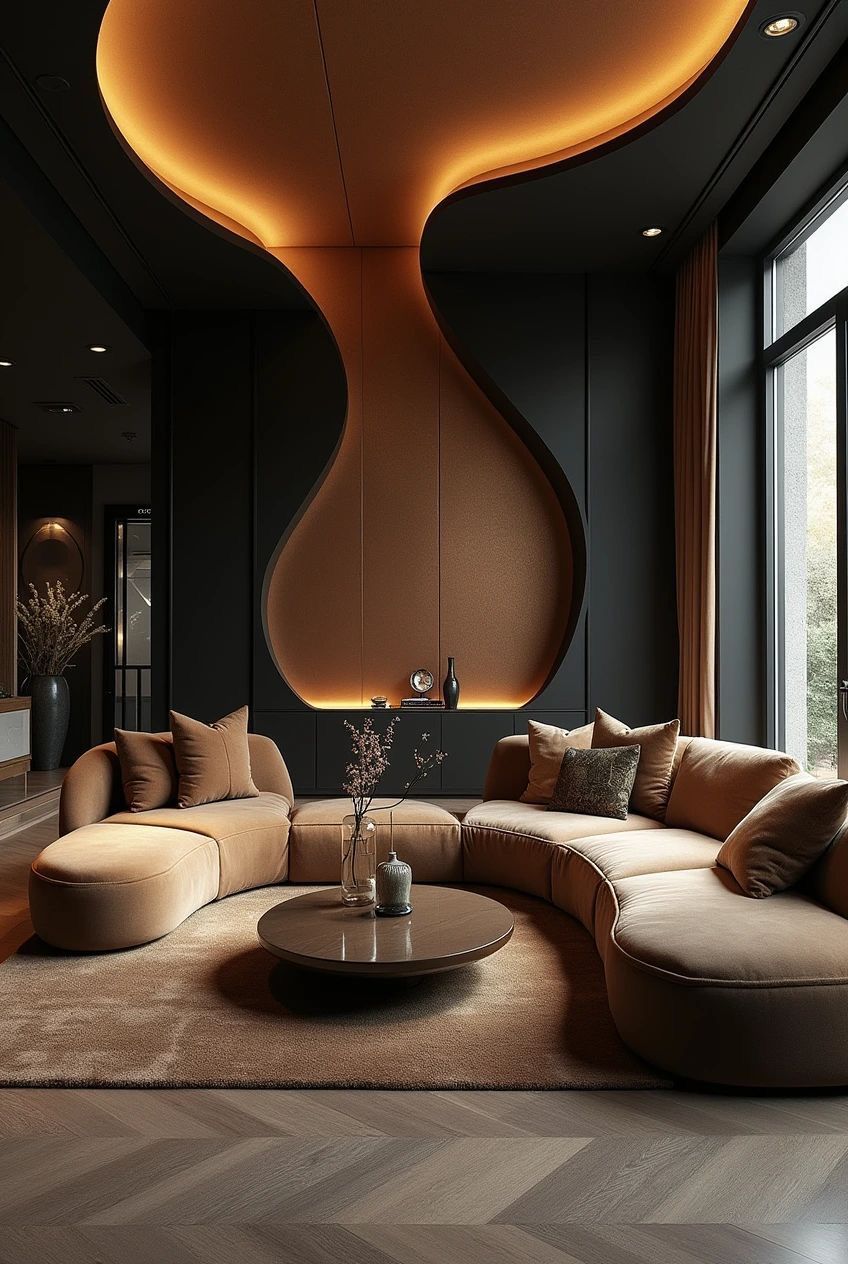
Sustainability is at the core of modern design. Let’s look at how you can incorporate eco-friendly solutions into your lighting plan.
Harnessing Daylight Harvesting Sensors
Daylight harvesting sensors automatically adjust artificial lighting based on the amount of natural light available. This approach not only reduces energy consumption but also lowers your electricity bills. Such sensors are ideal for spaces with large windows and fluctuating daylight levels. By installing them, you ensure that your lights work smarter, not harder. It’s an easy way to embrace sustainability without compromising on style. Interested in the technical side? Check out this post on daylight harvesting.
Smart Lighting Controls: KNX and DALI
Smart lighting systems like KNX and DALI give you precise control over your lighting setup. You can program scenes, adjust brightness, and even control lights remotely. These systems enhance convenience and efficiency, making them a worthwhile investment. They also contribute to sustainability by optimizing energy use. In a world where technology meets design, why settle for anything less?
Achieving WELL and LEED Lighting Standards
WELL and LEED are standards that acknowledge spaces with sustainable and healthy lighting practices. These certifications are more than just accolades; they demonstrate commitment to quality and environmental responsibility. Meeting these standards can enhance not only your space’s functionality but also its value. By prioritizing these guidelines, you create environments that are both beautiful and forward-thinking.
Incorporating these strategies transforms your spaces into efficient, stylish sanctuaries. As you consider your next lighting project, remember that the right blend of natural and artificial light can make all the difference. Let Gravityfz guide you in crafting spaces that are both functional and inspiring.