The Hidden Costs of Skipping Green Design: Compliance, Capital, and Community Risks for UAE Property Developers
Skipping green design in UAE property development risks legal penalties, higher costs, reduced property value, and weakened community trust; compliance with green regulations and certifications boosts sustainability and market appeal.
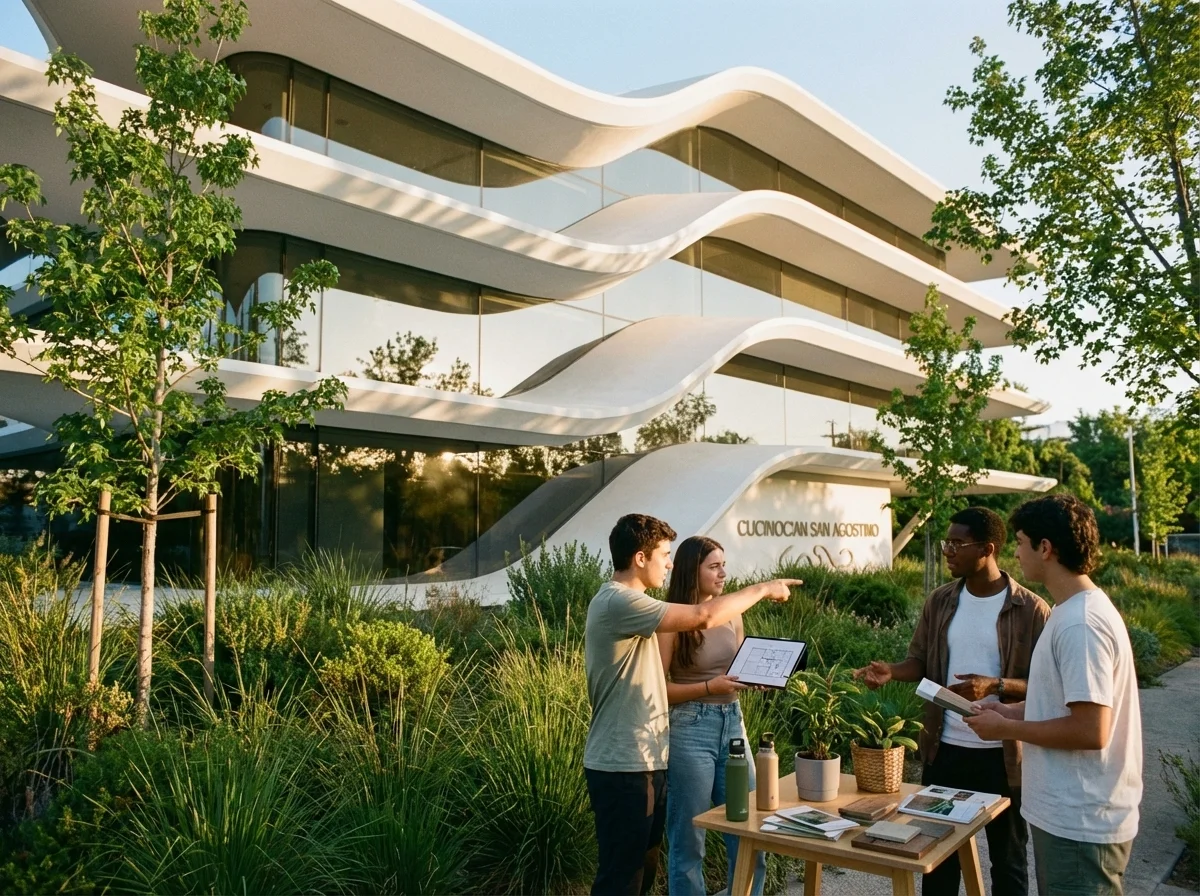
Skipping green building UAE design isn’t just a missed opportunity—it’s a risk that can quietly drain your project’s value. Ignoring Dubai Green Building Regulations and sustainable interior design Dubai standards leaves you vulnerable to costly compliance issues, higher operational expenses, and a weaker market position. In this post, you’ll see how overlooking green design can threaten your capital, community reputation, and long-term success. Ready to protect your investment with smart, compliant interiors? Let’s begin. For more on the hidden risks, check out this resource.
Compliance and Legal Risks
In the quest to create beautiful spaces, neglecting compliance can lead to legal pitfalls. Understanding the local regulations is crucial for success.
Navigating Dubai Green Building Regulations
Dubai’s regulations are designed to ensure sustainability in urban development. They may seem complex, but grasping them is essential for avoiding penalties:
-
Understand the Basics: Familiarize yourself with key documents such as the Dubai Green Building Regulations.
-
Stay Updated: Regulatory updates can impact your projects. Regularly check official sources and consult experts.
-
Seek Professional Help: Partner with professionals who specialize in compliance to ensure your designs meet all standards.
Ignoring these steps can lead to hefty fines and project delays. The long-term impact on your investments could be severe, as regulatory non-compliance might also affect your reputation.
Understanding Estidama and LEED Certification
Two critical certifications, Estidama and LEED, play a vital role in sustainable building practices in the UAE. Here’s why they matter:
-
Estidama: This framework focuses on sustainability specific to the region. It addresses water usage, energy conservation, and indoor environmental quality.
-
LEED Certification: A globally recognized standard that ensures environmentally responsible building practices. It’s sought after by international investors.
Achieving these certifications can enhance the value of your property and attract discerning tenants. They represent a commitment to sustainability and quality, positioning you favorably in the market. For more details, explore these insights.
Financial and Operational Implications
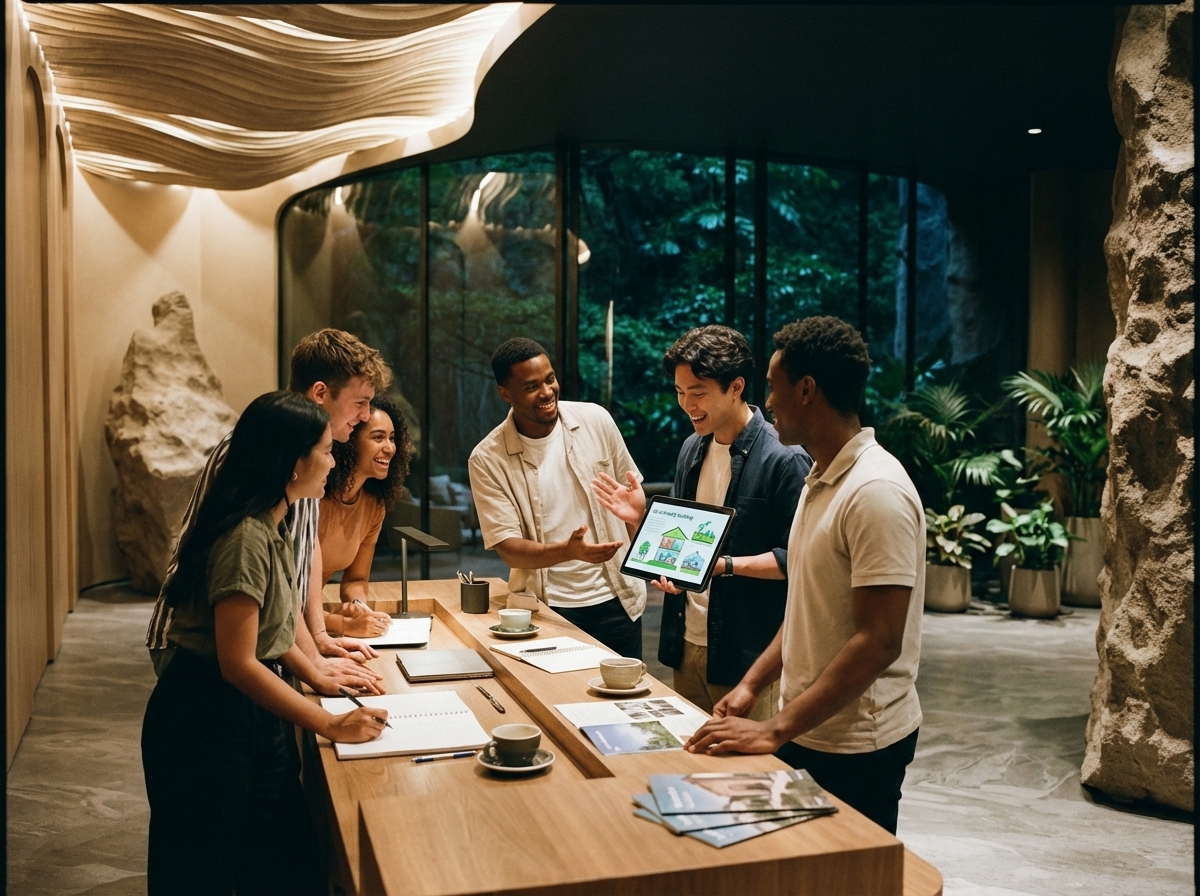
Beyond compliance, financial gains and operational efficiency are tied to sustainable design. Let’s explore how green choices impact your bottom line.
Impact of Green Premium vs. Brown Discount
Choosing sustainable materials may seem costly at first, but here’s how it pays off:
-
Green Premium: Properties with sustainable features often command higher rents and sales prices. This premium reflects the added value of energy efficiency and environmental responsibility.
-
Brown Discount: On the flip side, properties lacking green features may suffer from reduced market appeal and lower valuations.
Investing in sustainable design can thus significantly enhance property value. Over time, the initial costs of green choices are often outweighed by financial benefits. Consider how your assets align with market expectations to avoid the brown discount. This dynamic is explored further here.
Operational Carbon Reduction Strategies
Reducing carbon footprints is not just an environmental imperative; it’s a financial strategy. Here’s how you can achieve it:
-
Smart Lighting Controls: Implement systems that adjust lighting based on occupancy to save energy.
-
Daylighting Design: Maximize natural light to reduce reliance on artificial lighting.
-
Low-VOC Materials: Choose materials that improve indoor air quality and reduce health risks.
These strategies not only contribute to sustainability but also cut operational costs. By prioritizing carbon reduction, you position your property as forward-thinking and cost-effective.
Community and Reputational Consequences
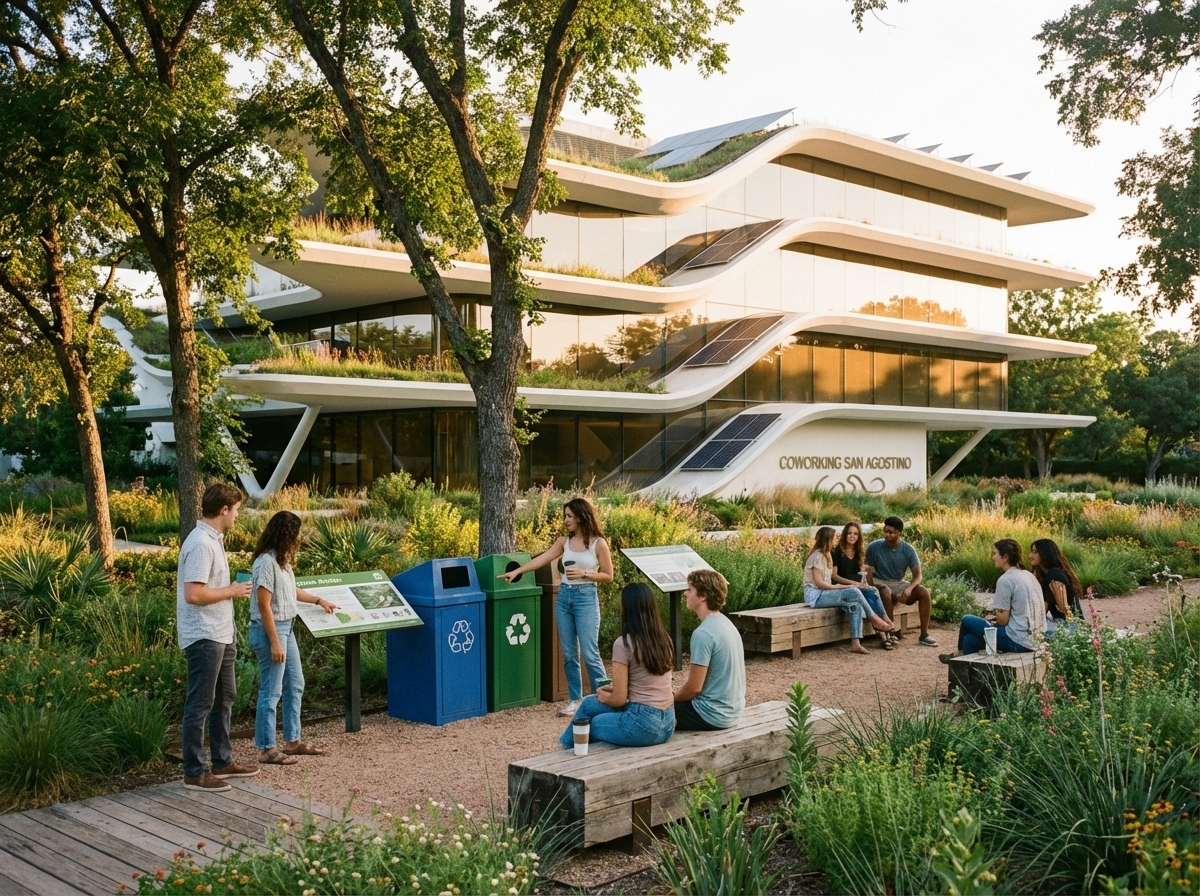
Your building’s impact goes beyond its walls. It affects community relations and your brand’s reputation in the market.
Building Trust with ESG Real Estate
Environmental, Social, and Governance (ESG) considerations are increasingly important. Here’s how they build trust:
-
Environmental Responsibility: Demonstrating a commitment to sustainability fosters trust among stakeholders.
-
Social Impact: Engaging with the community and prioritizing their well-being strengthens relationships.
-
Governance Transparency: Open communication about your green initiatives enhances credibility.
By aligning with ESG values, you not only improve your community standing but also attract investors who prioritize ethical practices. For more insights into the importance of green spaces, read this article.
The Role of Biophilic Design in the UAE
Biophilic design integrates nature into built environments, offering significant benefits:
-
Improved Well-being: Natural elements enhance mental health and productivity.
-
Aesthetic Appeal: Green designs offer visual comfort and connect occupants with nature.
In the UAE’s urban landscape, biophilic design is a powerful tool for creating spaces that resonate with both residents and visitors. By embracing it, you enhance not only the aesthetic but also the functional value of your properties.
Incorporating these principles into your projects safeguards your investments and secures your place as a leader in sustainable development.
Avoid costly mistakes by choosing smart, sustainable design solutions.