Guest First, Planet Forward: Sustainable Hotel Design for the Modern UAE
Designing sustainable hotels in the UAE blends eco-friendly materials, energy-efficient tech, and biophilic elements with luxury to enhance guest experience. 3D visualization aids informed, guest-first design decisions.

You want a hotel that wows guests from the moment they step inside, without compromising your sustainability goals. Designing a sustainable hotel in the UAE means weaving eco-friendly materials, lighting, and furniture into every corner, so the space feels luxurious and purposeful. With Gravityfz’s 3D visualization tools, you can see how each choice shapes a guest-first atmosphere before construction even begins. Ready to create a property that sets a new standard?
Guest-First Approach in Hotel Design
Prioritizing Guest Experience
Creating an unforgettable hotel stay begins with understanding what guests truly desire. A warm welcome, seamless check-in, and comfortable rooms are just the start. The design must foster relaxation and offer unexpected delights. When guests feel valued from the moment they arrive, they’re more likely to return and spread the word.
To achieve this, consider thoughtful touches like personalized welcome notes or in-room amenities that cater to specific guest preferences. These small gestures can make a big impact. Additionally, common areas should invite guests to linger, offering spaces that are both functional and aesthetically pleasing. Ultimately, the goal is to ensure every aspect of their stay feels curated just for them.
Integrating Sustainability with Style
Incorporating eco-friendly elements doesn’t mean sacrificing elegance. In today’s world, guests appreciate hotels that care for the environment. By using sustainable materials and technologies, you create a space that looks stunning and respects the planet. An eco-conscious approach can elevate the guest experience, leaving a lasting impression.
Consider using reclaimed wood, recycled materials, and energy-efficient systems. These choices not only reduce the carbon footprint but also enhance the overall aesthetic. Green roofs or living walls can add beauty while improving air quality. When sustainability is woven into the design, it becomes an integral part of the hotel’s identity.
Balancing Luxury and Eco-Friendliness
Luxury and sustainability can coexist beautifully. Guests love indulging in opulence, but they also appreciate knowing their stay supports environmental efforts. Striking the right balance means selecting materials and designs that offer both high-end appeal and eco-conscious benefits.
Opt for suppliers who prioritize sustainable practices and offer luxurious, high-quality products. This may include organic bedding, low-VOC finishes, or furniture crafted from FSC-certified wood. Each choice should reflect a commitment to both luxury and the planet, ensuring guests enjoy a guilt-free, pampered experience.
Sustainable Design Elements
Material Choices for Modern UAE
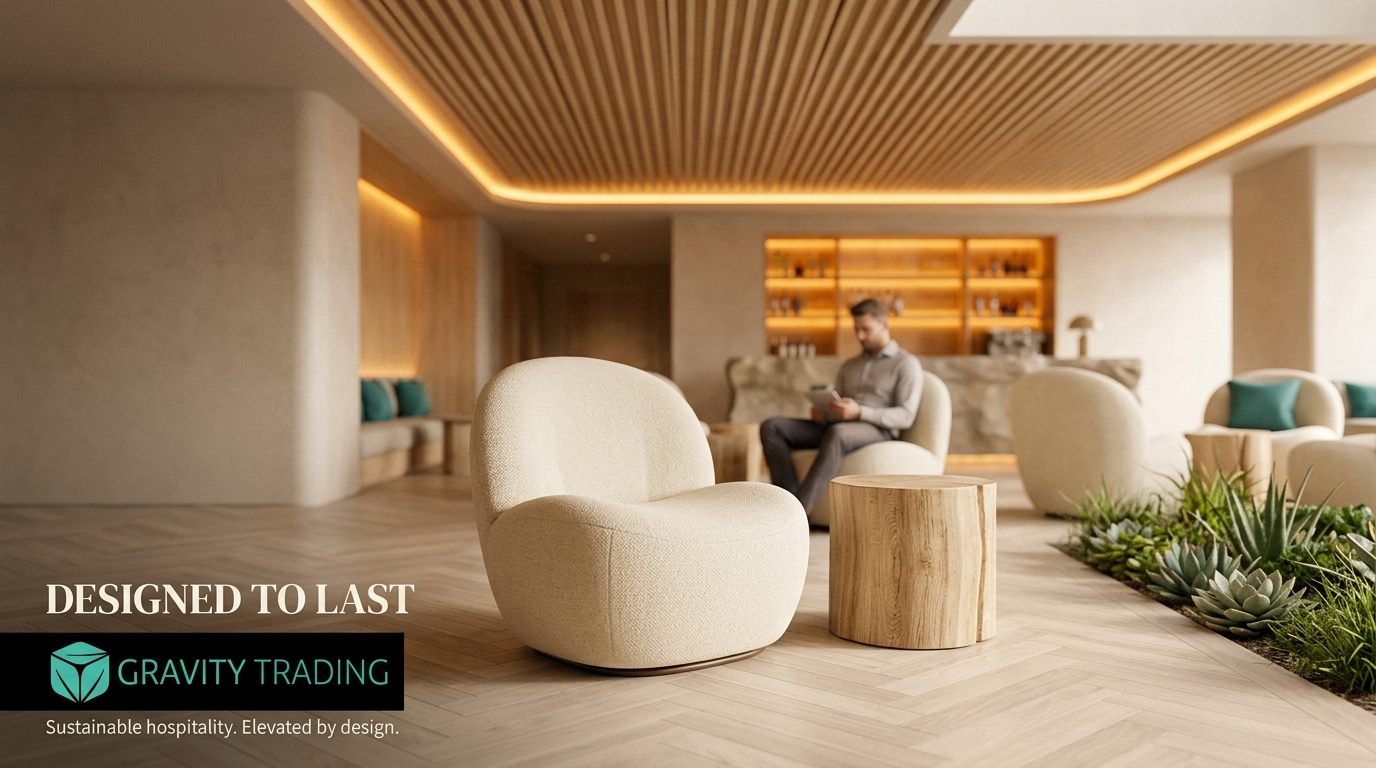
Selecting the right materials is crucial for creating a sustainable yet stylish hotel. The UAE’s unique climate and aesthetic preferences require materials that are both durable and visually appealing. Sustainable options exist that meet these needs without compromising on design.
Use local materials where possible, reducing transportation emissions and supporting the local economy. Recycled materials can add character while being environmentally friendly. Stone, glass, and metal offer modern appeal and longevity, ensuring the hotel remains attractive and functional for years to come.
Energy Efficient Lighting Solutions
Lighting is a key component of hotel design, influencing ambiance and energy consumption. Energy-efficient solutions not only save costs but also align with sustainability goals. LED lighting and smart controls can significantly reduce energy usage while enhancing the guest experience.
Incorporate natural light wherever possible, using large windows and skylights to brighten spaces. Automated systems can adjust lighting based on time of day or occupancy, optimizing energy use. With thoughtful design, lighting becomes a tool for both style and sustainability.
Bespoke Furniture and Custom Finishes
Furniture and finishes define the hotel’s character, offering opportunities to showcase sustainability. Custom pieces can be crafted with eco-friendly materials, reflecting a commitment to quality and environmental stewardship. This approach allows for unique, tailor-made designs that enhance the guest experience.
Consider partnering with local artisans to create bespoke furniture, supporting the community and ensuring each piece tells a story. Choose finishes that are durable and sustainable, such as water-based paints or natural fibers. This attention to detail reinforces the hotel’s brand as both luxurious and responsible.
Visualizing the Future of Hospitality
3D Visualization for Decision Making
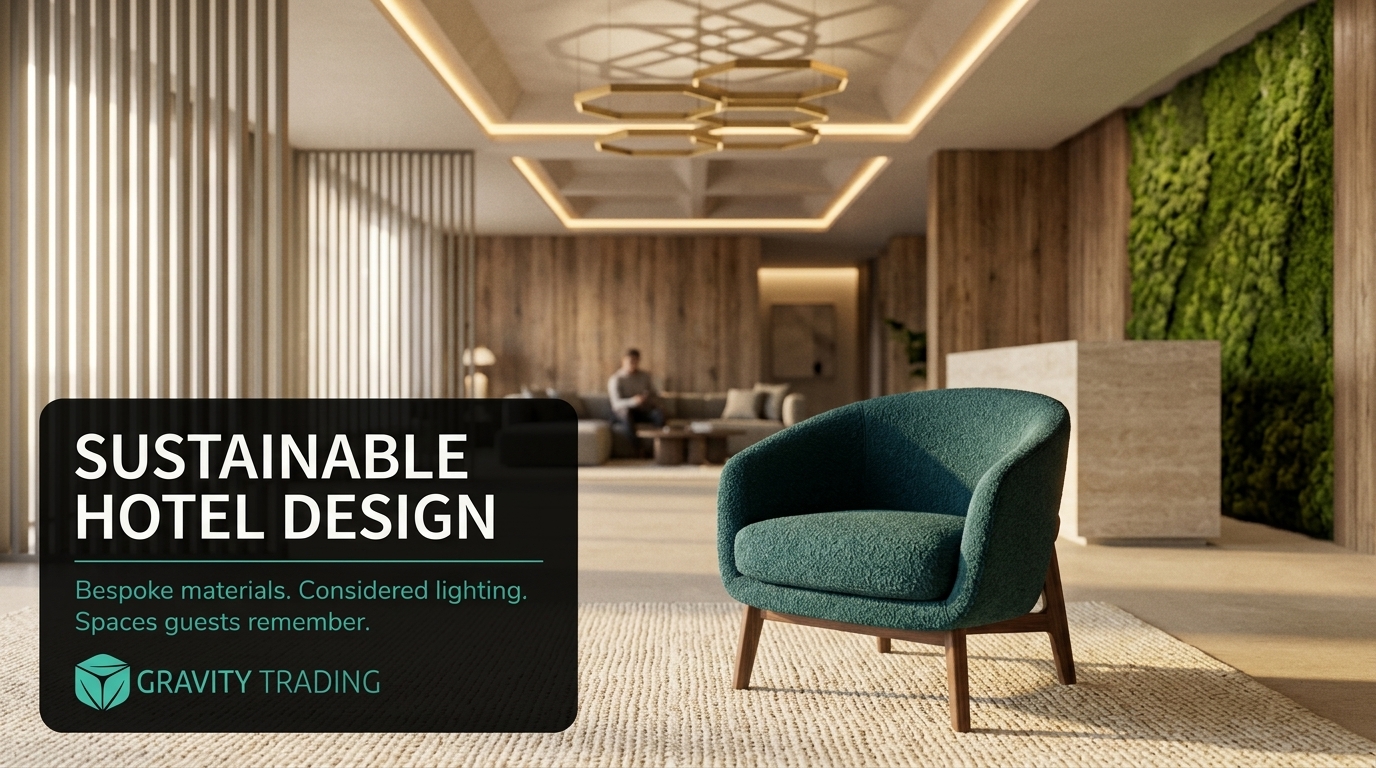
Before construction begins, seeing the final vision is crucial. 3D visualization tools allow you to explore design options, ensuring every choice aligns with your goals. This technology provides a clear picture, reducing the risk of costly changes later.
By visualizing the space in advance, you can make informed decisions about layout, materials, and aesthetics. This process not only saves time and money but also enhances creativity. When you can see the impact of each choice, it’s easier to create a cohesive, guest-first environment.
Biophilic Design Concepts
Biophilic design embraces nature, creating spaces that promote well-being. By incorporating natural elements like plants, water features, and natural light, hotels can offer guests a refreshing retreat. This approach fosters a connection to nature, enhancing relaxation and satisfaction.
Consider indoor gardens, natural color palettes, and open-air spaces. These elements can improve air quality and reduce stress, contributing to a healthier environment. Biophilic design not only benefits guests but also supports sustainability goals, making it a win-win.
Smart Room Integration Techniques
Modern guests expect technology that enhances their stay. Smart room features can provide convenience and efficiency, creating a seamless experience. From automated climate control to voice-activated services, these technologies cater to guest preferences while conserving resources.
Implement systems that allow guests to customize their environment, such as adjusting lighting or temperature with a simple command. Smart technology can also optimize energy use, further supporting sustainability efforts. When technology is integrated thoughtfully, it enhances both comfort and efficiency.
Frequently Asked Questions
What are some examples of sustainable materials for hotel design?
Sustainable materials for hotel design include reclaimed wood, recycled metals, and organic textiles. These materials are eco-friendly and often contribute to a unique aesthetic. Additionally, low-VOC paints and FSC-certified wood are excellent choices for reducing environmental impact.
How can hotels balance luxury with eco-friendliness?
Hotels can balance luxury with eco-friendliness by selecting high-quality, sustainable materials and incorporating eco-conscious practices. Offering organic bedding and using energy-efficient systems are ways to maintain luxury while caring for the environment.
Why is 3D visualization important in hotel design?
3D visualization is crucial because it allows designers and hotel operators to see the finished space before construction begins. This technology helps in making informed decisions, ensuring design choices align with the overall vision and reducing the risk of costly changes later.