The Future of UAE Commercial Spaces: 9 Eco-Conscious Design Trends to Watch
Key eco-conscious UAE commercial design trends include biophilic elements, circular economy materials, low-VOC finishes, energy-efficient lighting, acoustic sustainability, and certifications like WELL, LEED, and Estidama Pearl for healthier, greener spaces.
The Future of UAE Commercial Spaces: 9 Eco-Conscious Design Trends to Watch
Traditional commercial design can’t keep up with the UAE’s rising need for eco-friendly spaces. Your interiors should not only look attractive but also promote sustainability while maintaining style and function. In this post, we’ll explore nine key trends transforming sustainable commercial interiors in Dubai, including biophilic design and energy-efficient lighting solutions. So, are you ready to guide your space into a greener future? Let’s dive in. For more insights on future workspace trends, check out this link: https://s3tkinteriors.com/commercial-design-trends.
Eco-Conscious Design Trends
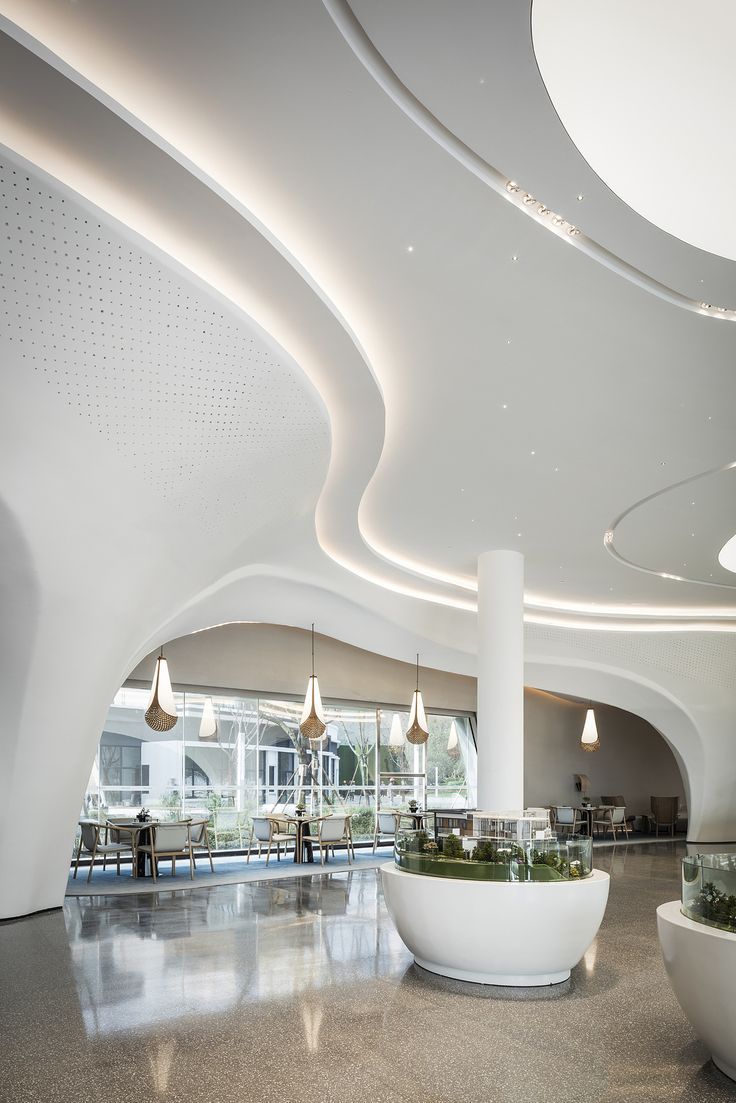
To create a space that truly reflects your commitment to sustainability, staying updated on the latest trends is vital. So, let’s dive into how these elements can transform your commercial interiors.
Biophilic Design Elements
Imagine stepping into a space that feels alive, where nature seamlessly blends as a vital part of the design. This is the essence of biophilic design. By incorporating natural elements—like living walls, indoor gardens, and natural light—you foster a connection to the outdoors. Not only does this enhance aesthetics, but it also boosts well-being and productivity among occupants.
Think of a workspace with large windows inviting daylight and indoor plants that purify the air. These features not only make the space visually appealing but also improve air quality and everyone’s mood. To see this in action, check out this Instagram post showcasing an inspiring biophilic design.
Circular Economy Fit-Outs
In a world with limited resources, adopting a circular economy approach in your design can make a significant difference. This trend focuses on using materials that can be reused, recycled, or repurposed to minimize waste and environmental impact. Picture a fit-out where reclaimed materials are the focal point, turning old wood into new furniture.
This approach not only supports the environment but also tells a compelling story of innovation and responsibility. For more insights into how the circular economy is influencing design, explore this article.
Low-VOC Materials and Finishes
When it comes to creating healthy indoor environments, choosing materials with low volatile organic compounds (VOCs) is crucial. These compounds, common in many traditional paints and finishes, can negatively affect air quality and health. By opting for low-VOC options, you make a choice that benefits both the planet and the people in your space.
Consider the impact of clean air in a workspace, where employees can breathe easier and work more efficiently. This simple shift in materials can revolutionize your commercial interiors.
Now, let’s move on to energy-efficient innovations.
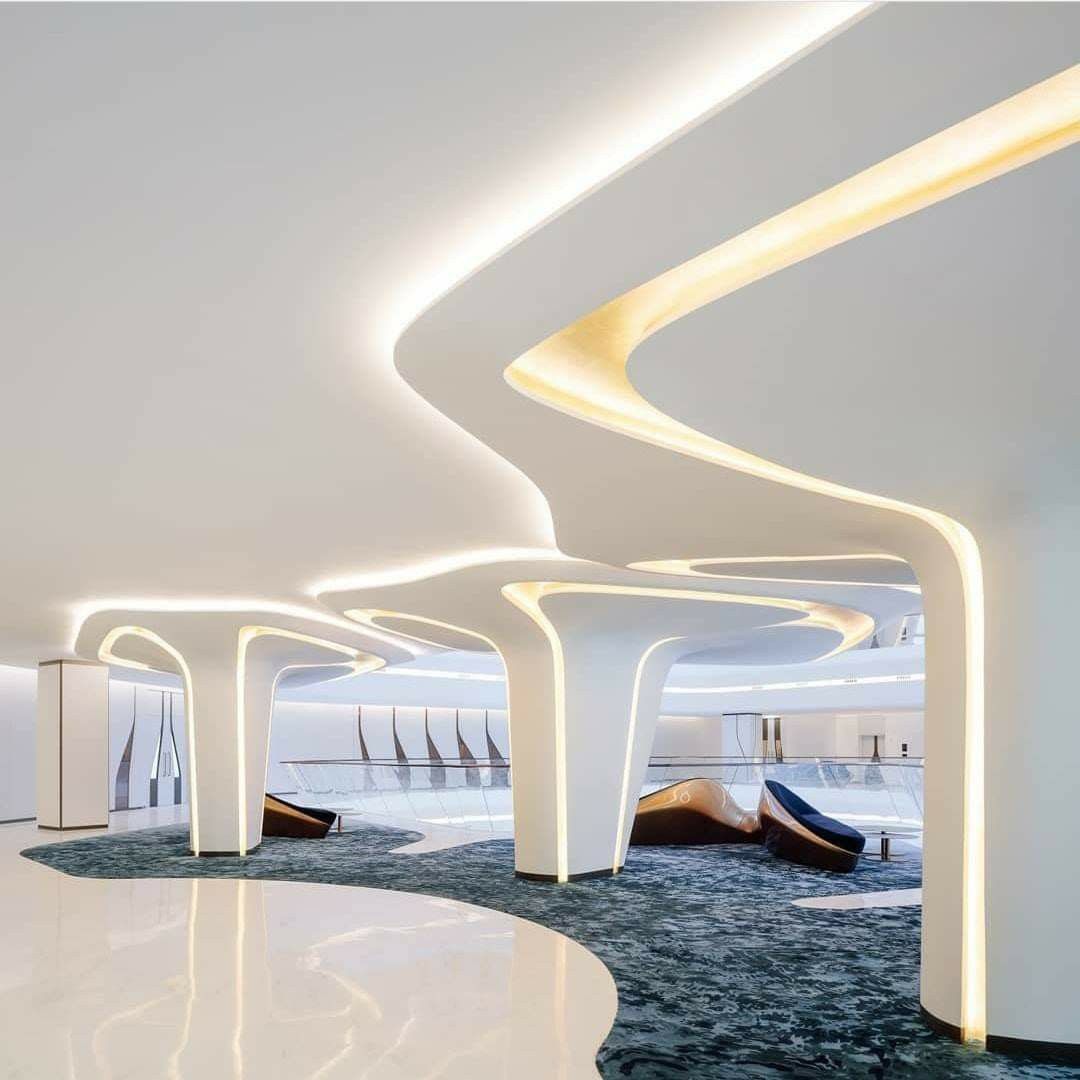
Creating a sustainable space isn’t just about materials—it’s also about the technology that supports it. Let’s explore some innovations that can reduce energy consumption and enhance your design.
LED and Smart Lighting Controls
Lighting is a crucial aspect of any design, but it can also be a major energy drain. By switching to LED lights and integrating smart controls, you can dramatically cut energy use. These systems allow you to adjust lighting based on occupancy or time of day, ensuring that no energy is wasted.
Imagine a store where lights automatically dim when natural light is abundant, or a meeting room where lights turn off after everyone leaves. This not only saves energy but also reduces costs in the long run. Discover more about how lighting can transform spaces in this article.
Daylight Optimization Techniques
Harnessing the power of natural light can drastically reduce your reliance on artificial lighting. By designing spaces that maximize daylight, you create a more inviting and energy-efficient environment. Techniques like using reflective surfaces, strategic window placement, and light shelves can help you achieve this.
Imagine an office where natural light floods in, reducing the need for artificial lighting and creating a vibrant atmosphere. This not only conserves energy but also creates a healthier workspace for your team.
Acoustic Sustainability Solutions
While often overlooked, acoustics play a crucial role in the comfort and functionality of a space. Sustainable acoustic solutions, like using recycled materials for soundproofing, can enhance the auditory experience without compromising on eco-friendliness.
Picture a conference room where noise is minimized, allowing for clearer communication and fewer distractions. These solutions ensure your space is both sustainable and functional.
Sustainable Certifications and Standards
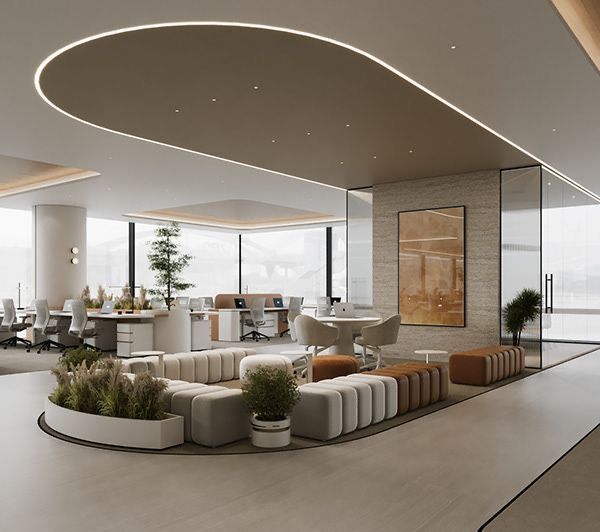
To make sure your design aligns with top sustainability standards, pursuing certifications is a smart choice. Let’s explore some key frameworks.
WELL and LEED Certification Processes
The WELL and LEED certifications are highly recognized standards for sustainable building. They ensure a space meets not only environmental criteria but also promotes health and well-being. Achieving these certifications highlights your commitment to sustainability.
So, imagine boasting a WELL or LEED certified space, showcasing your dedication to creating a healthy and sustainable environment. This not only enhances your reputation but also draws in like-minded clients and partners.
Estidama Pearl Rating Insights
In the UAE, the Estidama Pearl Rating provides a framework for sustainable building practices. It emphasizes water conservation, energy efficiency, and waste reduction, addressing regional challenges.
Thus, by following these guidelines, your design aligns with local sustainability goals, positively impacting both the community and the environment.
Indoor Air Quality Design Essentials
Good indoor air quality is crucial for health and productivity. By designing spaces with proper ventilation, air filtration, and using non-toxic materials, you can greatly improve air quality.
Imagine a workspace with fresh air flowing freely, reducing allergens and pollutants. This not only supports well-being but also boosts productivity and satisfaction among occupants.
By embracing these trends and innovations, you position your commercial space at the forefront of sustainable design. Are you ready to take the next step in transforming your space? The journey toward a greener future begins now.